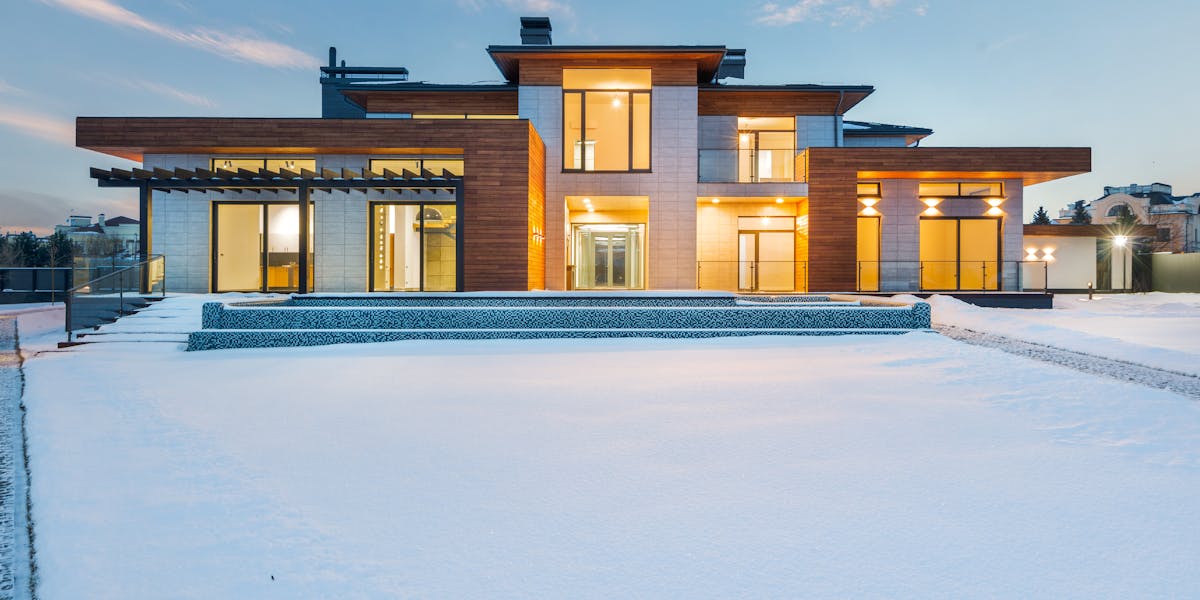
Most people assume winter is a bad time to book a spray painting job. For exterior work, cold and damp weather does add constraints. But for indoor jobs, including kitchen cabinet respraying, staircases and interior woodwork, winter is often the best time. Shorter lead times, better contractor availability, and the fact that your heating is already on all make indoor spraying in winter straightforward.
- Interior spray jobs including kitchens, staircases and woodwork are not affected by cold outdoor temperatures.
- Winter typically offers shorter lead times than the spring and summer peak period.
- Central heating keeps interior temperatures in the correct curing range for professional lacquer systems.
- January and February are particularly good months for kitchen resprays, ahead of the spring selling season.
- Exterior jobs (uPVC, front doors, garage doors) are weather-dependent and may be scheduled for dry, milder days.
Why Indoor Spray Jobs Work Well in Winter
Interior spray painting is done inside a heated home. The outdoor temperature is essentially irrelevant. What matters for curing a professional lacquer system is the ambient temperature in the room, which in most Yorkshire homes in winter sits between 18 and 22 degrees Celsius because the central heating is on. This is exactly the right range for most professional spray paint systems to cure correctly.
In summer, an interior space can actually become too warm if it is south-facing and gets a lot of direct sun. High temperatures above 30 degrees Celsius can cause some lacquer systems to cure too fast, which affects the final finish. Winter avoids this entirely.
Dust and airborne particles are also reduced in winter. Windows stay closed in cold weather, which means less wind-borne dust entering the space during the job. Good preparation includes taping and masking to protect surfaces, but a naturally dust-reduced environment is an advantage.
For preparation and what to expect from the process, see our guide on what preparation is needed before respraying kitchen cabinets.
Shorter Lead Times Than Spring and Summer
Spring is the busiest season for home improvement in Yorkshire. From March through June, demand for kitchen respraying and exterior work peaks sharply. Lead times in spring can extend to six to eight weeks. In winter, particularly December through February, lead times are typically shorter.
This means you can often book a winter kitchen respray within two to four weeks of enquiring, compared to a six to eight week wait in spring. If you want the kitchen done quickly, winter is the practical window to do it.
January and February are the sweet spot. Demand picks up again in February as people start planning for spring, so the first six weeks of the year tend to offer the best combination of availability and reasonable lead times. For those planning ahead, this is covered in our kitchen respray timeline guide.
January and February: Best for Kitchen Before Spring
If you are planning to put your home on the market in spring, January or February is the ideal time to book a kitchen respray. A kitchen job typically takes two to three days. Add a week for the finish to fully cure and harden, and you are ready for professional photography and viewings by March.
This sequence works well for Yorkshire homeowners who know they want to sell in spring but want to maximise their sale price with a refreshed kitchen. It avoids the spring rush for contractors and gives you a clear, stress-free timeline.
Even if you are not selling, January is a natural time to plan and act on home improvements. The new year brings clear thinking about what you want to change at home. Acting in January means you enjoy the result for the full year ahead, rather than waiting until spring and losing months of enjoyment.
What Happens to Exterior Jobs in Winter
Exterior spray painting, covering uPVC window frames, front doors, garage doors and external timber, is weather-dependent. The main constraints are: temperature must be above 10 degrees Celsius, surfaces must be dry, and relative humidity should be below 80%. These conditions are achievable on many winter days in Yorkshire but cannot be guaranteed.
We do not turn exterior work away in winter. We schedule it on suitable days and monitor conditions. A front door respray, for example, can be done on a dry 12-degree day in January with no problem. A uPVC window frame job on a wet, 4-degree day in December would be deferred to a suitable day.
If you have a mix of interior and exterior jobs, booking in winter is still sensible. The interior work (kitchen, staircase, woodwork) proceeds as scheduled regardless of weather. The exterior elements are slotted in when conditions allow, which is manageable with clear communication about the schedule.
Practical Tips for Booking a Winter Spray Job
Book earlier than you think you need to. Even though winter has shorter lead times than spring, the very best slots in January and early February fill quickly, particularly after the Christmas period when many people are motivated to make changes to their homes.
Clear the kitchen as much as possible before the job. In winter you will want to store temporarily removed items (dried goods, appliances, pots and pans) in another heated room rather than a cold garage, so plan for this in advance.
Keep the heating on through the job and for at least 48 hours after completion. This supports curing and is not an unusual request. Normal domestic heating is sufficient.
For a full overview of what to expect during and after the job, see our Yorkshire homeowner renovation planning guide. If you are ready to book, visit our kitchen refinishing service page or our interior spraying service page to start the process.
Winter vs Other Seasons: A Quick Comparison
| Factor | Winter (Dec to Feb) | Spring (Mar to Jun) | Summer (Jul to Sep) | Autumn (Oct to Nov) |
|---|---|---|---|---|
| Interior job availability | Good | Limited | Moderate | Good |
| Typical lead time | 2 to 4 weeks | 6 to 8 weeks | 4 to 6 weeks | 3 to 5 weeks |
| Interior curing conditions | Excellent (heating on) | Good | Good (can be hot) | Good |
| Exterior job weather risk | Higher | Low | Low | Moderate |
| Disruption level | Low (quiet at home) | Moderate | Higher (holidays, kids home) | Low |
For interior jobs such as kitchen cabinets, staircases and interior woodwork, cold outdoor weather is not a problem. The work is done inside with heating on, so conditions are controlled. For exterior surfaces, we require temperatures above 10 degrees Celsius and dry conditions, which can limit working days in winter but does not rule exterior work out entirely.
Most professional lacquer systems cure best between 15 and 25 degrees Celsius. For interior jobs, domestic central heating keeps the environment in this range. At very low temperatures, curing slows and the finish can remain tacky for longer, which is why interior work in a heated home performs well in winter while exterior work in very cold conditions requires careful timing.
Winter typically has shorter lead times than spring and summer. The spring rush from March to June is the busiest period. January and February often offer the best availability. That said, winter slots do fill, particularly in early January when new year motivation drives enquiries. Book early to secure your preferred dates.
Written by the ColourHaus team · 25 November 2026 · More articles